
A City at a Crossroads
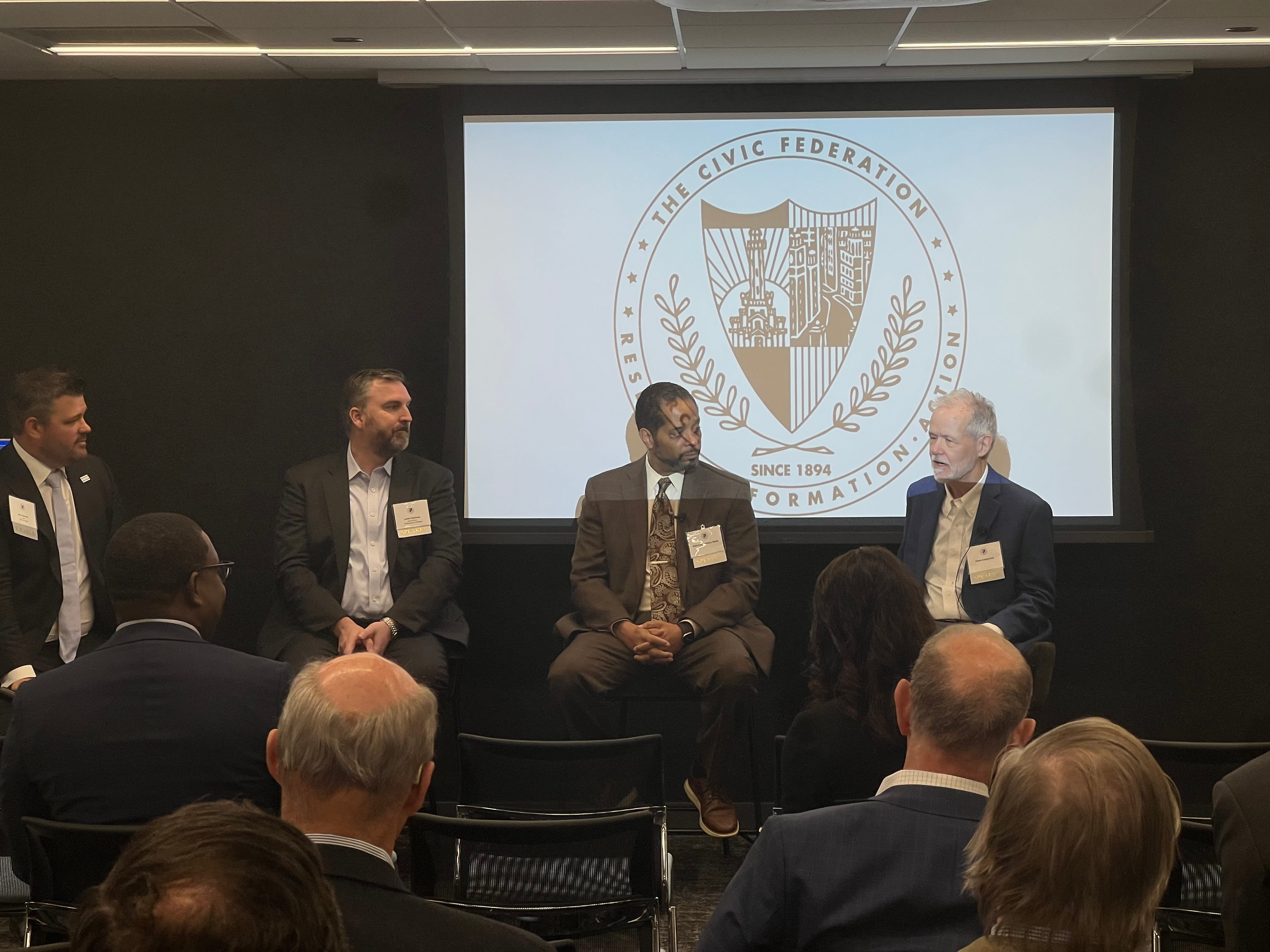
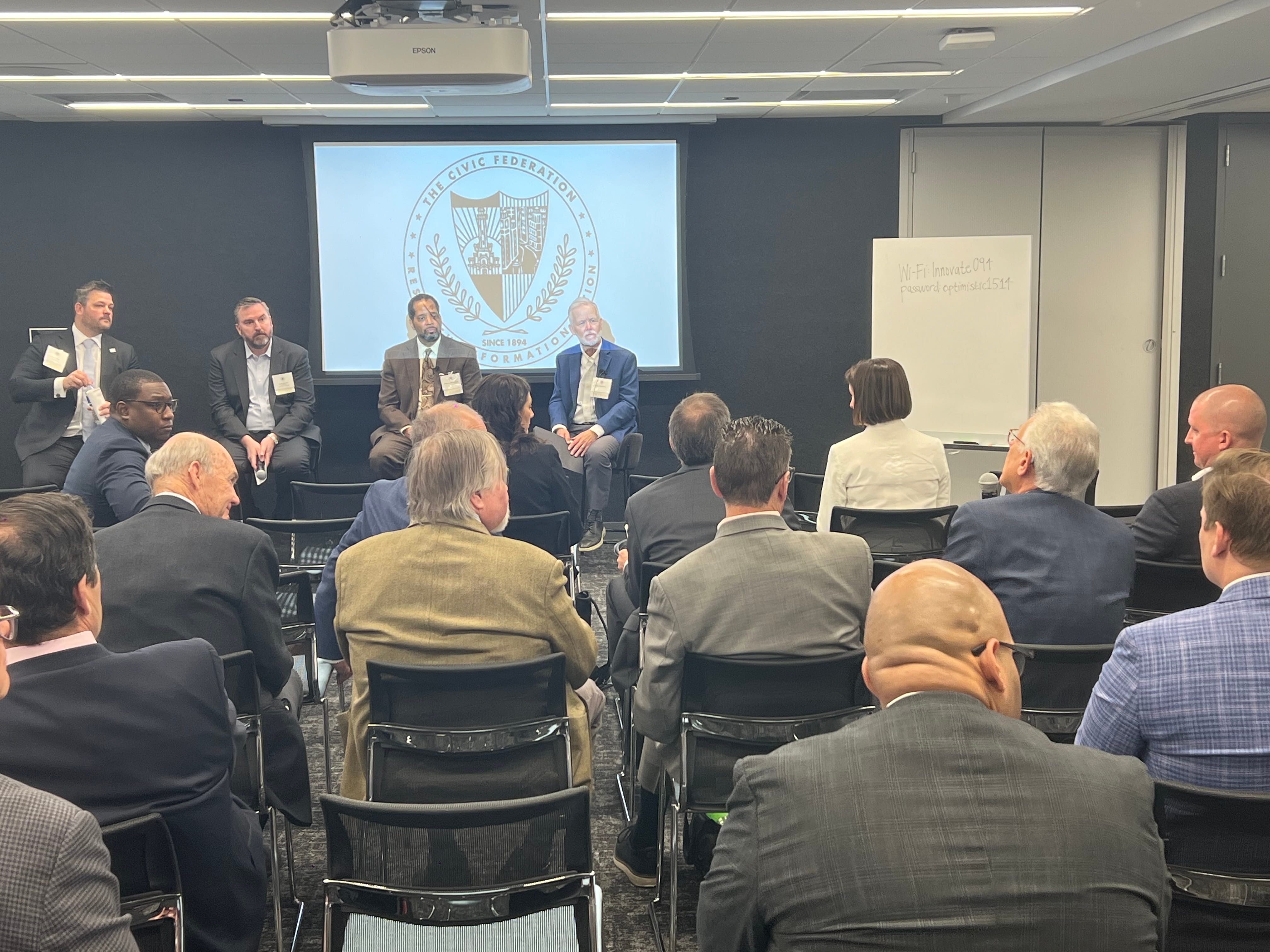
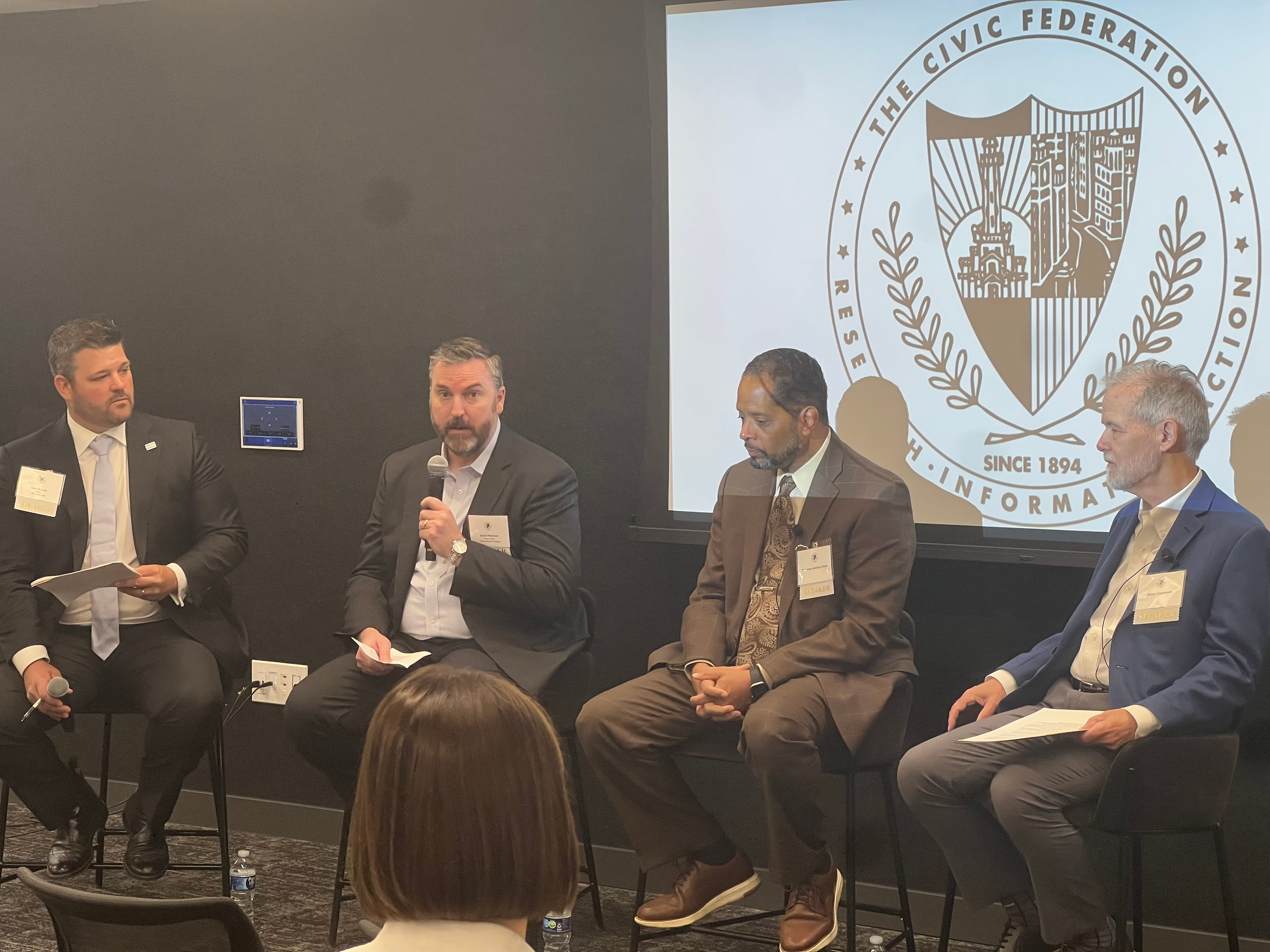
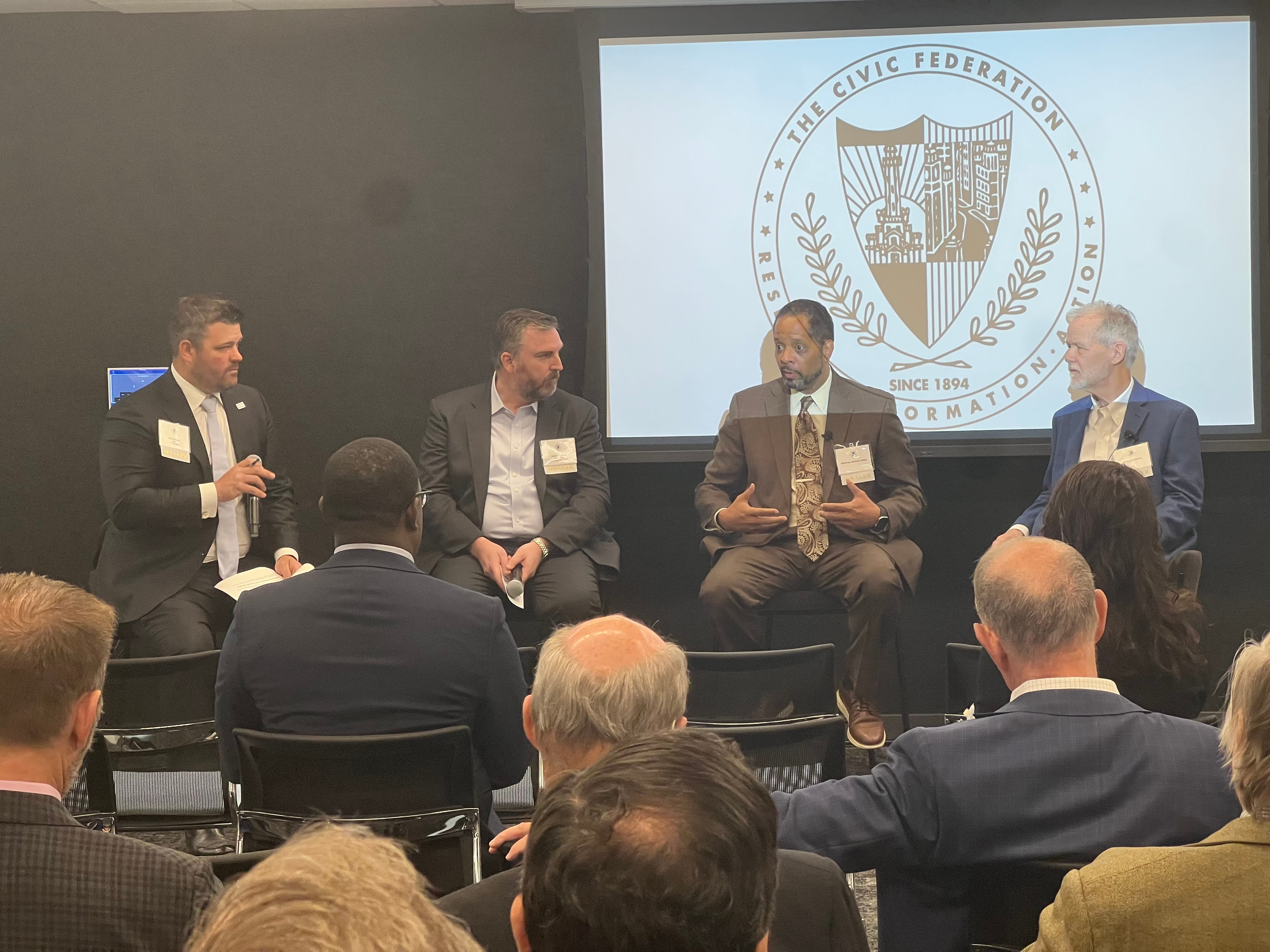
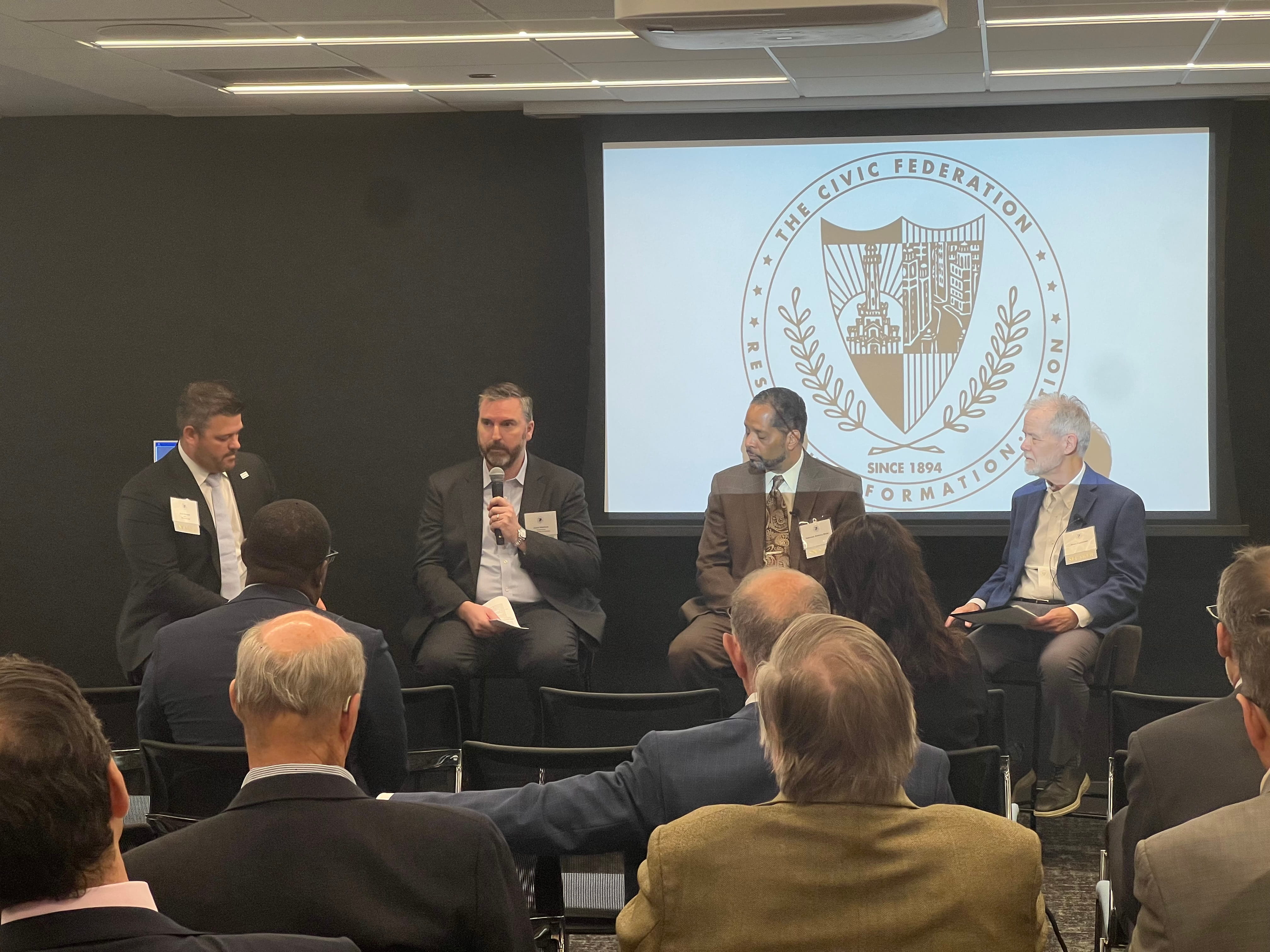
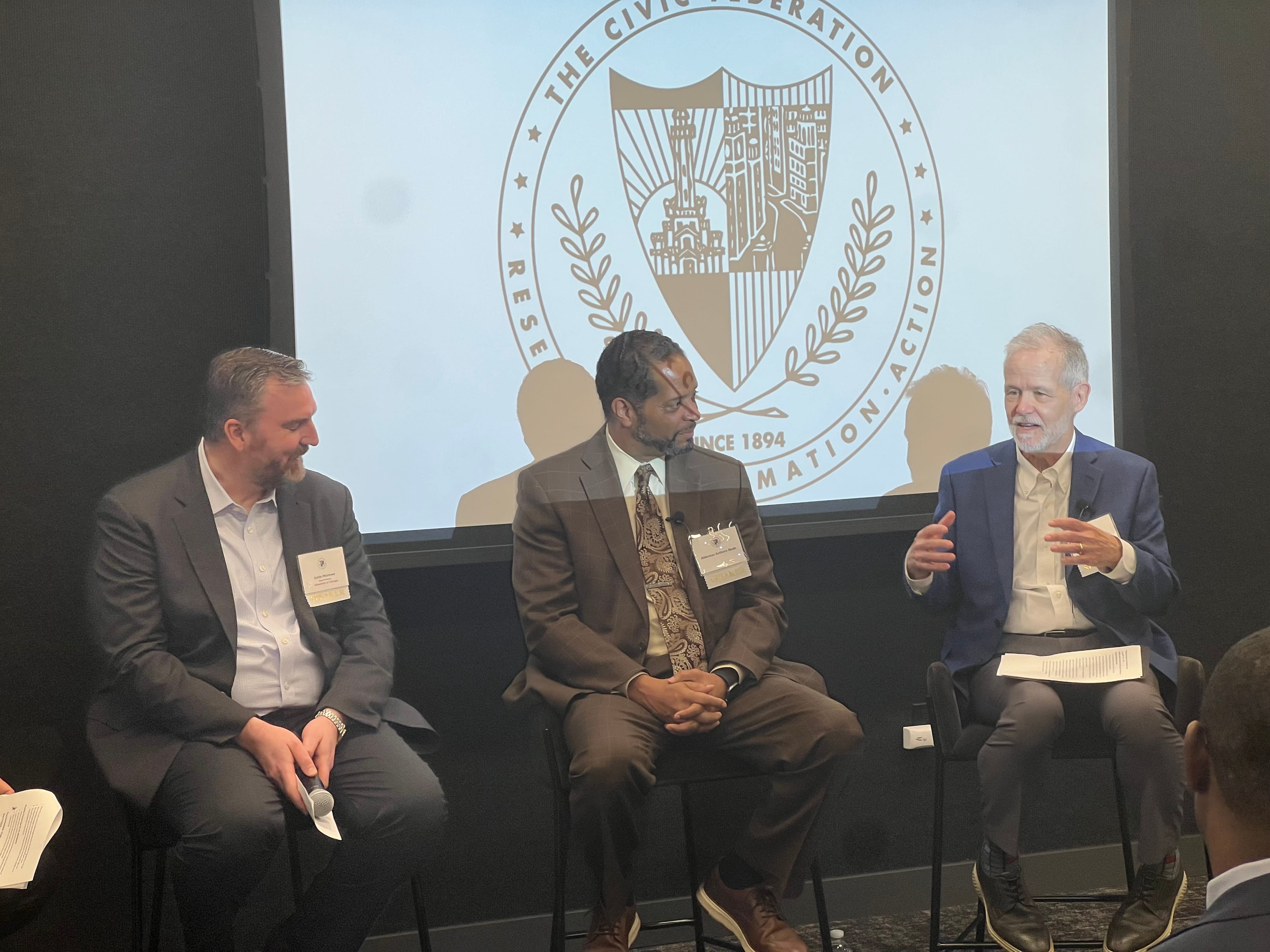
The Civic Federation's Spring Speaker Series brought together Justin Marlowe, Research Professor at the University of Chicago Harris School of Public Policy; former 46th Ward Alderman James Cappleman; and 9th Ward Alderman Anthony Beale for a candid panel discussion on Chicago's fiscal condition and the path forward. Moderated by Don Vincent of The Daily Line, the conversation examined lessons from Chicago’s FY2026 budget process, the structural challenges facing City Council, and what reforms are realistically achievable before the next budget cycle begins.
The event reflected a growing consensus among observers: last year's budget conflict exposed not just concerns about financial sustainability, but deeper questions about governance, institutional capacity, and how the City makes and implements financial decisions over time.
Three Conundrums, One Recurring Pattern
Panelists framed Chicago as a city facing simultaneous fiscal, political, and governance challenges that reinforce one another in a recurring cycle. Without structural change, ; the city risks a "Groundhog Day" pattern in which each budget season revisits the same fights without resolving the underlying problems.
Alderman Beale pointed to Chicago's budget growth over time, with thousands more city employees than in 2019, an overloaded TIF program, and spending decisions driven by ideology rather than data. Professor Marlowe added important context: roughly one third of program level appropriations in Chicago's budget did not exist 15 years ago, reflecting what he called "expectations inflation" - the gradual shift of responsibilities from federal and state government down to cities, without a corresponding shift in resources or governance structures.
When Process Becomes a Pressure Tactic
A pointed theme throughout the discussion was the dysfunction of Chicago's budget process itself. Administrations have repeatedly delayed budget submission until aldermen are up against the December 31st deadline, effectively creating pressure to approve budgets with little to no opportunity for scrutiny or deliberation.
The problem doesn't end at passage. The discussion also focused on what was described active resistance to implementing the FY2026 budget: One example cited was the fact that the administration refused to send a letter to the state gaming board to activate video gaming terminals and blocked the comptroller from bundling and selling over $100 million in debt as budgeted.
Marlowe observed that the core governance problems have shifted from a lack of data to a lack of trust and credibility. The City Council's ability to produce its own alternative budget using outside sources was a striking illustration of how thoroughly a shared factual baseline between the legislative and executive branches has broken down.
What Aldermen Don't Know and Why It Matters
Former Alderman Cappleman raised a critical and often overlooked dimension of the problem: aldermen historically receive little to no outcome data from prior years' spending decisions, making it functionally impossible to evaluate whether programs are working. Without that feedback loop, the budget process is essentially disconnected from results.
Realistic Reforms for FY2027 and Beyond
Despite the challenges, panelists identified a number of concrete, actionable reforms. Alderman Beale called for consolidating under enrolled schools and using TIF funds for tangible redevelopment projects rather than sweeping them to cover CPS shortfalls. Marlowe recommended significantly strengthening the Council Office of Financial Analysis, with a clear mandate focused on outcomes and return on investment. He also proposed enabling the Council to proactively publish its own budget priorities and a concrete list of supported cost cutting measures, pointing to New York City, San Diego, Denver, and Seattle as cities where a stronger legislative fiscal capacity has meaningfully improved budget outcomes.
On the institutional side, the panel discussed a range of structural reforms: passing a city charter through Springfield, establishing an independent council president, replacing patronage committee staff with subject-matter experts, and codifying aldermanic rights to information from the executive branch.
Building a More Durable Fiscal Governance Structure
The conversation closed with a long-term outlook. True fiscal durability, panelists agreed, requires more than a balanced budget in any given year. It requires a multi-year fiscal framework with agreed revenue assumptions, formal debt tolerance policies, rainy day fund targets, and a credible, independent revenue forecasting process.
The panel expressed optimism that changing institutional rules can shift political culture over time discussing how investing in stronger fiscal governance structures can gradually reshape the incentives and behavior of the people working within them. Chicago has that opportunity; whether it is utilized remains to be seen.
Key Takeaways
- Chicago faces compounding fiscal, political, and governance challenges that will recur without structural reform.
- The FY2026 budget process revealed a significant breakdown in trust and shared information between City Council and the Mayor's office.
- Active resistance to budget implementation has worsened the structural deficit heading into FY2027
- Chicago’s budget process is disconnected from results. The absence of outcome reporting creates a disconnect between spending decisions and results, limiting policymakers’ ability to evaluate program effectiveness.